

Diploma in Electrical Engineering (Control/Power)

6 semesters in 3 Years

Full-Time

Khartoum Bahri
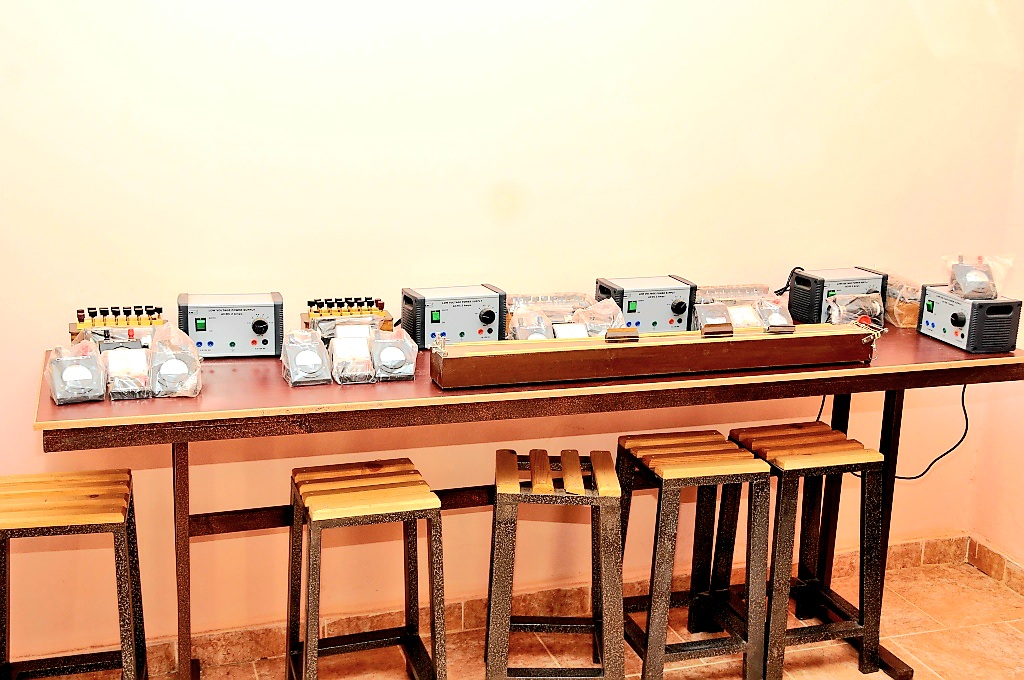
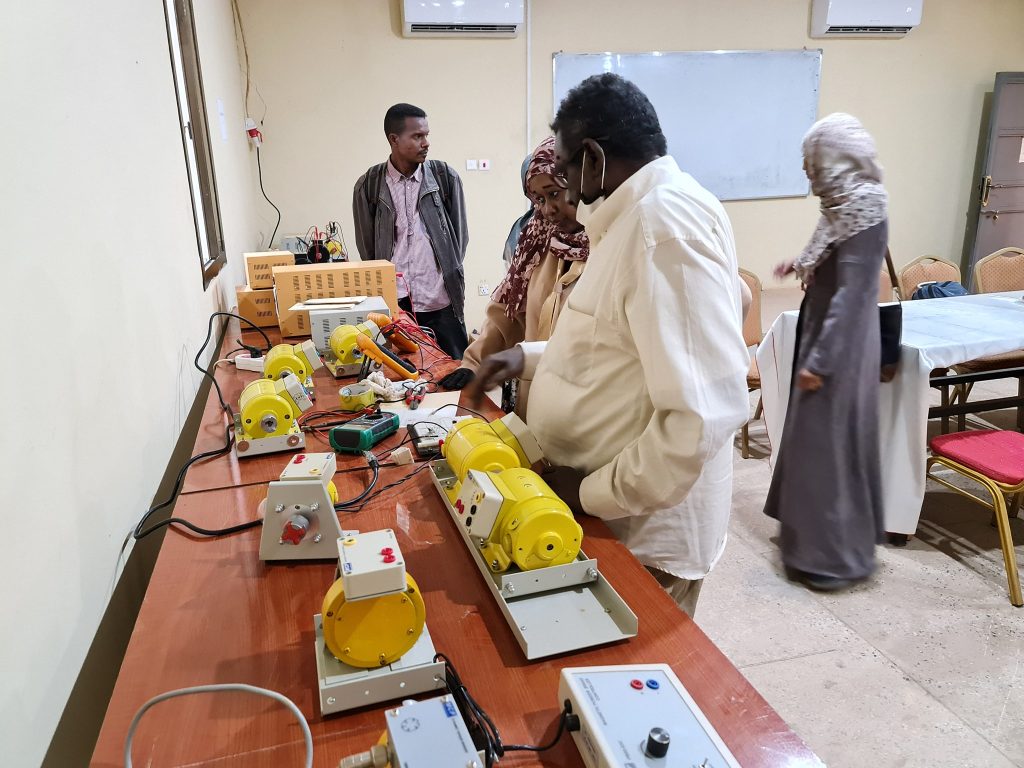
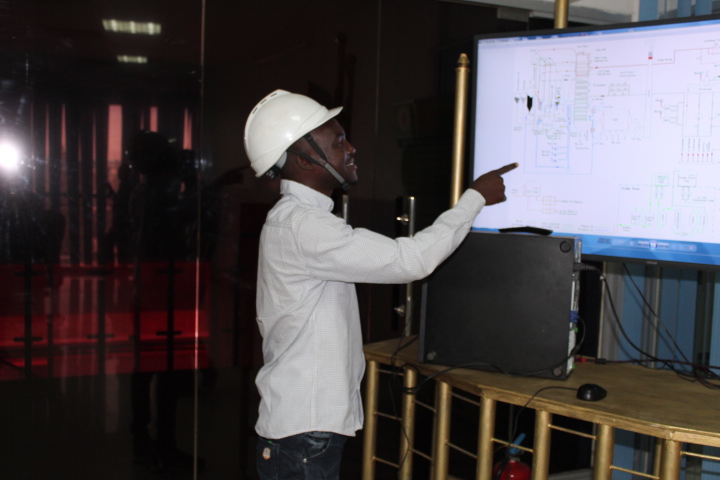
This diploma focuses on providing students with the knowledge and practical skills in power generation, transmission, and distribution systems, as well as control systems used in factories and industrial plants. Students learn skills in installing and maintaining electrical power systems, programming programmable logic controllers (PLCs), analyzing and troubleshooting electrical systems, reading and implementing electrical diagrams, and applying safety and quality standards in the workplace.
About The Program
Program Mission
The program’s mission is derived from the mission of the College of Safety for Science and Technology, which can be summarized as follows:
Providing human resources with the knowledge and skills that align with the needs of the labor market by qualifying students capable of keeping pace with the requirements of continuous development and business success. This strategy is achieved by adopting the following:
- Diversifying engineering specializations to meet the needs of the labor market.
- Continuously developing curricula with a focus on practical application.
- Developing skills in the use of computers and information technology, and in dealing with software and the World Wide Web to serve the specialty.
Program Educational Objectives
- Preparing specialized personnel in the fields of electrical engineering.
- Contributing to filling the gap in the needs of various engineering and industrial sectors.
- Keeping pace with modern developments in the various branches of engineering.
- Enabling graduates to make electrical engineering decisions that help develop their work and the activity of their establishment.
- Developing graduates’ skills in various engineering fields, in terms of curricula and applications.
- Building an integrated generation of graduates who possess the capabilities to plan and predict the long- and short-term electrical engineering needs of various industrial facilities.
- Developing graduates’ skills in scientific research and continuing education in the field of electrical engineering.
Entry Requirments
Academic Section – Industrial Technical Section: Specialized Mathematics + two subjects from (Physics – Chemistry – Computer Science – Engineering Sciences – Electrical Drawing – Industrial Principles
Courses Offered
Year 1
| Semester 1 | Semester 2 |
|---|---|
| Religious Studies 1 | Religious Studies 2 |
| Arabic Language 1 | Arabic Language 2 |
| English Language 1 | English Language 2 |
| Calculus | Analytical Geometry |
| General Physics | Linear Algebra |
| Introduction to Computer Sciences | Computer environment and equipment |
| Engineering Drawing 1 | Engineering Drawing 2 |
| Workshop Technology and Practice 1 | Workshop Technology and Practice 2 |
| Electrical Engineering Principles | Alternating Current Circuits |
Year 2
| Semester 3 | Semester 4 |
|---|---|
| Sudanese Studies | Engineering Ecnomics |
| Differential Equations | Occupational Health and Safety |
| Electrical Machines 1 | Electrical Transformers |
| Analog Electronics Principles | Electrical Power Systems 2 |
| Electrical Power Systems 1 | Electrical Machines 2 |
| Electrical Measurements | Analog Electronics Circuits |
| Electrical Installation Technology | Electrical Drawing |
| Electrical Installation Design |
Year 3
| Semester 5 | Semester 6 |
|---|---|
| Digital Electronics | Power Electronics |
| Computer Applications | Field Training 2 |
| Field Training 1 | Control Systems (Control) Motors Control and Maintenance (Power) |
| Control Elements (Control) Power Systems (Power) | Power System Protection (Power) Microprocessors Systems (Control) |
| Control Systems (Control) Electrical Machines (Power) | Electrical Power Systems Distrbutions (Power) Programmable Logic Controllers (Control) |
| Graduation Projects | Graduation Projects |
Fees
Local Students
500,000 SDG
International Students
600 USD